
ELECTRIC vs
PLUG-IN
HYBRID.

Not all electric vehicles work the same way. Understanding the difference can help you choose the vehicle that best fits your lifestyle.
Guide
5 min read
Canadian Edition

If you're exploring electric vehicles, you're in the right place. Before choosing one, it helps to understand how the two main types differ in how they're powered and how they drive day to day.

Some run entirely on electricity. Others use electricity for daily driving and gasoline as a backup. Understanding the difference can help you choose the vehicle that best fits your lifestyle.
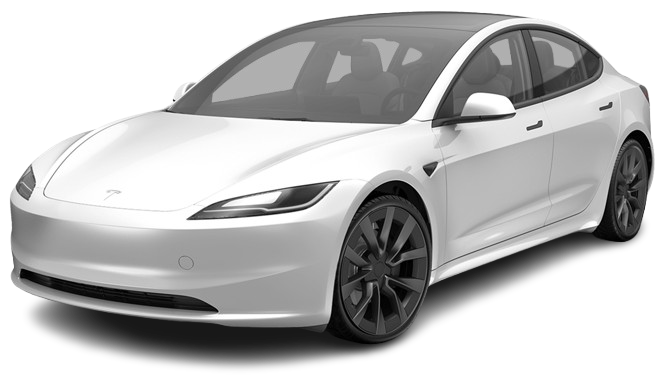
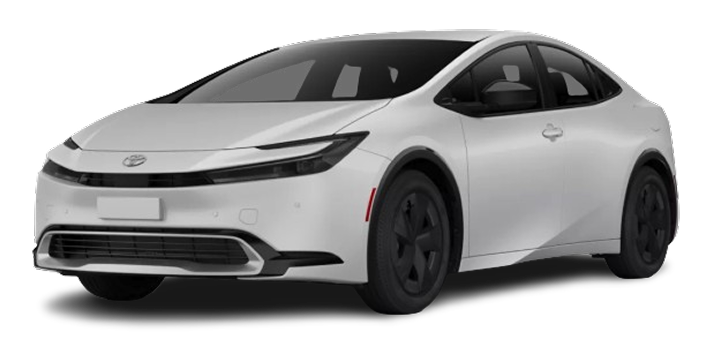
Side by side

Electric Vehicle
BEV
Plug-In Hybrid
PHEV
Uses electricity
Uses gasoline
Charge at home
Daily driving on electricity
Long trips without chargingLimited
Tailpipe emissionsNoneYes

Battery Electric Vehicle

A BEV runs entirely on electricity.

The battery stores energy, which powers an electric motor that turns the wheels. When you drive, the vehicle uses electricity from the battery — no gasoline is involved at any point.

When you slow down or brake, the vehicle captures some of that energy through regenerative braking, sending it back into the battery to help extend range.

To recharge, you plug into a home, work, or public charger.

In simple termsCharge it → Drive it → Recharge it

Plug-In Hybrid Electric Vehicle

A PHEV uses both electricity and gasoline.

It has a smaller battery and an electric motor for everyday driving. For short trips, it can drive like a fully electric car using stored battery power.

When the battery runs low — or when extra range is needed — a gasoline engine automatically turns on to power the vehicle or assist the wheels.

Like a BEV, it can also recharge through plug-in charging and regenerative braking. But unlike a BEV, it can keep going using gasoline when charging isn't available.

In simple termsCharge it → Drive electric → Switch to gas when needed → Refuel or recharge
BEVBattery electricBatterypackElectricMotorWheelsELECTRICITY ONLYPHEVPlug-in hybridBatterysmaller capacityElectricMotorGas Tankbackup rangeGas Engine+ generatorWheelsELECTRIC + GAS BACKUPBattery / electric motorElectric power flowGasoline pathGas tank / wheels

Which one is right for you?

Choose a BEV if:
  • You can charge at home or work
  • Most of your driving is local or regional
  • You want to eliminate gasoline
  • You want the simplest ownership experience
Choose a PHEV if:
  • Home charging is difficult or inconsistent
  • You regularly take long trips
  • You want electric driving without depending on charging infrastructure
  • You're not ready to give up gasoline entirely

See them in the wild

Both types are available across a wide range of prices and body styles in Canada. Here is one of each to give you a sense of what each looks like in the real market.

Simple as that

A BEV is fully electric. A PHEV is an electric vehicle with a gasoline backup. For most drivers with reliable charging access, a BEV is the simpler choice. A PHEV offers added flexibility when charging isn't always convenient.

Browse EVs →

Common questions

What is the difference between a BEV and a PHEV?
A BEV (Battery Electric Vehicle) runs entirely on electricity — no gas engine, no gas tank. A PHEV (Plug-in Hybrid Electric Vehicle) combines a battery and electric motor with a gasoline engine, so it can drive on electricity for shorter trips and use gas when the battery runs low.
Can I charge a PHEV at home?
Yes. A PHEV can be plugged in and charged at home just like a BEV. When the battery is depleted, the gas engine takes over, so you can also refuel at any gas station.
Does a BEV have a gas engine?
No. A BEV has no gas engine and no gas tank. It runs entirely on electricity stored in the battery.
Which is better for long trips — a BEV or a PHEV?
A PHEV offers more flexibility for long trips because the gas engine extends your range beyond what the battery alone can cover. A BEV is well-suited for long trips too, but requires planning around DC fast charging stops along your route.
Do all BEVs have dual motors?
No. Many BEVs sold in Canada are single-motor vehicles — either front-wheel or rear-wheel drive. Dual-motor (all-wheel drive) versions exist across many models but are typically higher trims. Motor configuration varies by trim level, not by vehicle type.
Sources
Natural Resources Canada iZEV Program ·  Transport Canada EV Market Report 2025 ·  CAA EV Winter Range Study 2025 ·  Statistics Canada Commuting Patterns Survey