Three ideas, one plug
Most people have heard the term V2G and assumed it was a concept from a trade show. It is not. The technology exists, the vehicles exist, and Canada's first real-world pilots are already running. What is still catching up is the infrastructure that makes it easy for ordinary drivers to participate, and that gap is closing faster than most people realize.
But first, the vocabulary. It all sits under one umbrella called bidirectional charging, which simply means electricity can flow both into your car and back out of it. That single idea shows up in three forms, and they get used interchangeably when they should not be.
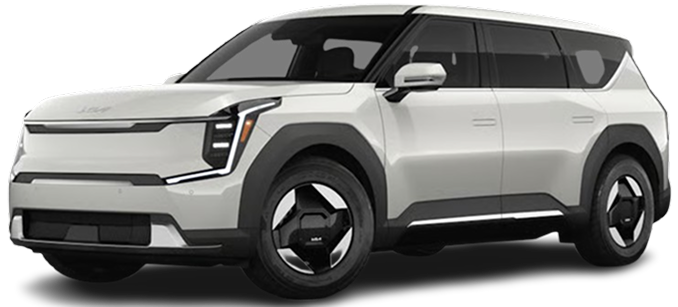
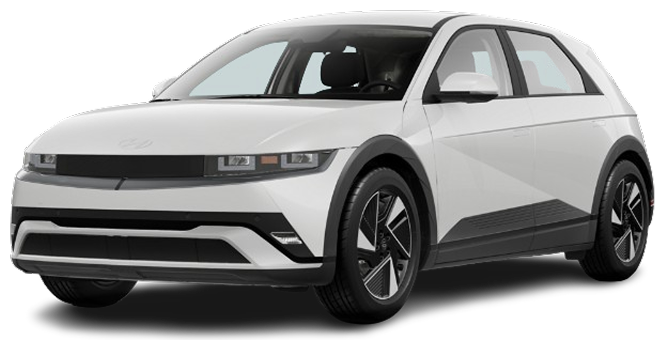
V2L stands for Vehicle-to-Load. The simplest version. Your car powers devices directly through an outlet built into the vehicle. No special charger required. Many EVs already do this, including the Hyundai Ioniq 5, the Kia EV6, and the Ford F-150 Lightning.
V2H stands for Vehicle-to-Home. Your car powers your house. During a blackout, your EV becomes your backup generator — except it is silent, already in your garage, and holds enough energy to run your essential appliances for a day or more. The Ford F-150 Lightning's 131 kWh battery at 9.6 kW of output can power an average Canadian home for roughly three days.
V2G stands for Vehicle-to-Grid. The full version. Energy flows from your car battery back into the public electrical grid during periods of peak demand. Your utility pays you — in credits, reduced rates, or direct payment — for that stored energy. This is what grid operators get excited about, because millions of EVs participating would create a distributed battery network across the country.
All three are forms of bidirectional charging. Not every EV that supports V2L also supports V2H, and not every V2H vehicle yet supports V2G, so confirm exactly what a given model can do before you buy or lease. If you are wondering which one matters to you: V2L is everyday convenience, V2H is backup power for your home, and V2G is the one that can eventually pay you.